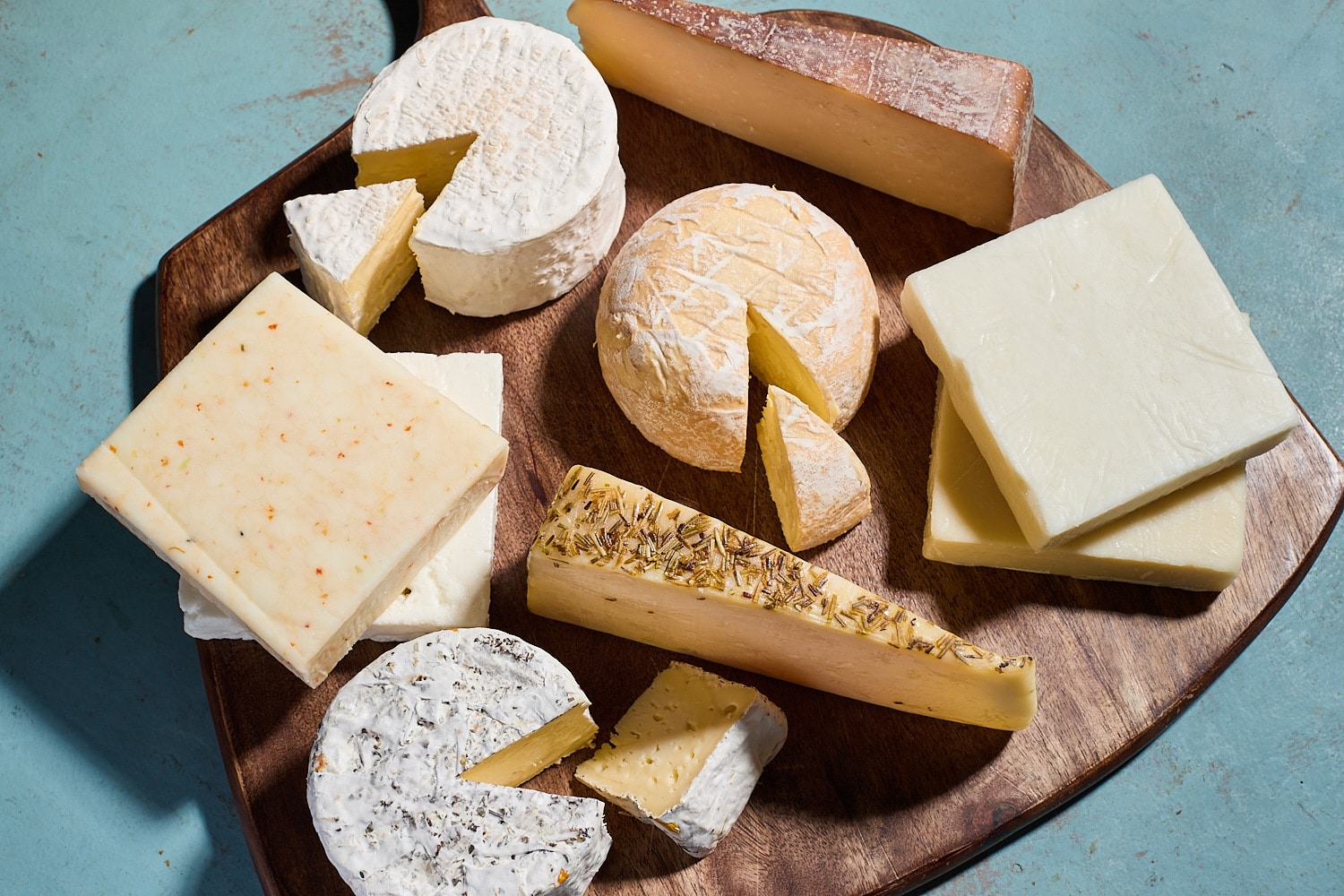
May is the month that we talk about everything American made cheese! Learn all about Zupan’s Markets offerings & discover something new that you’ll keep coming back to again and again.
Don Froylan Creamery (Oregon)
Located just south of Salem, this family‑run creamery has been producing traditional Mexican‑style cheeses in Oregon since the early 2000s, helping make these styles more accessible locally.
In the 1990s, the founder struggled to find the cheeses he grew up with and began making them at home instead. Although he passed away before opening a creamery, his children carried the vision forward and built the business in his honor. Today, the focus remains on familiar styles made with care and consistency.
What to try:
- Queso Oaxaca – A stretched‑curd cheese similar to string cheese, sold in large pull‑apart balls. Great for quesadillas, pizza, or snacking.
- Liliana’s String Cheese – Cut portions of Oaxaca that have earned national awards.
- Queso Fresco – Mild, clean, and often available in seasonal blends like cilantro‑jalapeño.
Acme Farms Cheese (Washington)
Set near the Canadian border, this Washington creamery sits in a region known for cool weather and strong dairy traditions, both of which shape its cheeses.
Founded by a former Wisconsin dairy grower and his partner, Acme Farms focuses on French‑inspired styles. Their cheesemaker brings deep Pacific Northwest experience, having previously worked at Mount Townsend Creamery; the milk comes from a nearby Jersey cow dairy, adding richness without heaviness.
What to try:
- Brie‑style – Soft‑ripened and savory once mature.
- Camembert‑style – Earthy and aromatic with a classic bloomy rind.
Cascadia Creamery (Washington)
Based in Trout Lake, an area with a long dairy history, Cascadia Creamery is rooted in a strong sense of place. The owners aim to let each batch of cheese reflect the land and the season it comes from. Production is organic, non‑GMO, and intentionally seasonal. These cheeses are easy to enjoy right away but continue to open up as you spend time with them. Because flavors shift slightly throughout the year, no two batches are exactly the same.
What to try:
- Sleeping Beauty – Sweet and buttery with enough structure for any cheese board.
- Cloud Cap – Creamy and savory, especially satisfying for brie lovers.
- Glacier Blue – Bold but balanced, creamy at first and crumbly at the finish.
- Sawtooth – Washed‑rind and savory with gentle funk.
- Rosemary Garlic Fondue Spread – Cooked and ready to use for vegetables, potatoes, or easy mac and cheese.
Baetje FarmS Farms (MISSOURI)
For more than 20 years, this Missouri farm has been crafting traditional French‑style chèvre with a focus on care and consistency. The fresh goat’s milk is handled gently from start to finish, resulting in cheeses that are clean, balanced, and light on the palate.
What to try:
- Fresh Chèvre – Clean, bright, and well balanced.
- Sweet Jalapeño Chèvre – Gentle heat with a touch of sweetness.
- Bavarian Lemon Curd Chèvre – Lightly dessert‑leaning without being rich.
Green Dirt Farm (Missouri)
One of the few remaining sheep dairies in the United States, this farm produces cheeses that are increasingly rare. Run by a mother‑daughter team, one focuses on cheesemaking while the other manages the sheep and pastures. Because sheep produce far less milk than cows or goats, these cheeses are limited and special.
What to try:
- Fresh Sheep’s Milk Cheese – Fluffy, earthy, and complex.
- Sheep’s Milk Brie – Bloomy‑rind with deep savory flavor when available.
- Dirt Lover – An ash‑ripened sheep’s milk cheese with lingering depth.
FRAGA Farm (Oregon)
This small Oregon farmstead dairy only makes cheese when their goats are in season. When milk is needed most for baby goats, production pauses and resumes later in the year. Fraga Farm is Animal Welfare Approved and take a goats‑first approach that prioritizes the herd over volume.
What to try:
- Seasonal Chèvre – Rotating styles based on the time of year.
- Honey Kumquat – Lightly sweet and bright when available.
FireFly Farms (Maryland)
Known for reliability and polish, this East Coast producer makes consistently creamy goat cheeses. Rather than operating a single farmstead herd, milk is sourced from nearby farms within a tight radius. This supports local producers while keeping milk quality high.
What to try:
- Merry Goat Round – Bloomy‑rind and very creamy.
- Copperhead LaMancha – Bright, tangy, and lightly savory.
- Spruce Reserve (seasonal) – Wrapped in spruce for a gentle woodsy flavor.
LaClare Family Creamery (Wisconsin)
In the heart of Wisconsin dairy country, this sibling‑run creamery stands out for its focus on goat cheese. Their flavored chèvres are carefully balanced, adding interest without overpowering the milk itself.
What to try:
- Maple Bourbon – Sweet and tangy with a warm finish.
- Lemon Bar – Bright, creamy, and lightly dessert‑leaning.
Boxcarr Handmade Cheese (North Carolina)
Led by three siblings, this family‑run creamery produces mostly farmstead cheeses using milk from their own mixed‑breed goat herd. Drawing inspiration from Italian cheesemaking traditions, the focus stays on savory, comforting styles that are easy to enjoy.
What to try:
- Robiola‑inspired Bloomy Rinds – Soft, creamy, and approachable.
- Washed‑rind Cheeses – Savory with Taleggio influence.
- Campo (seasonal) – Gently smoked with bold, savory flavor.
Marieke Gouda (Wisconsin)
Started by a Dutch transplant who brought cheesemaking knowledge with her, this fully farmstead dairy handles everything on one property, from milking to aging. The focus is on raw‑milk goudas aged in a variety of styles. The cheeses are rich and expressive while staying balanced and food‑friendly.
What to try:
- Traditional Raw‑Milk Gouda – Dense, savory, and complex.
- Honey Clover Gouda – Sweet and nutty.
- Hatch Chile Gouda (seasonal) – Savory with gentle heat.
Jasper Hill Farm (Vermont)
Best known for its underground aging caves, this Vermont producer also plays an important role in supporting and aging cheese for other regional makers.
What to try:
- Harbison – Bark‑wrapped and meant for scooping.
- Vault No. 5 – Cave‑aged cheddar that melts especially well.
Cougar Gold (Washington)
This cheese is produced at Washington State University as part of its agricultural and food science program and is unlike anything else on the market.
It is canned but never shelf stable and continues to age under refrigeration. The result is a buttery, lightly sweet cheddar that can be enjoyed fresh or aged for years.
What to try:
Cougar Gold Cheddar – Tangy, buttery, and distinctive.